
Nature and environment - Climate and weather - Weather - Water

What do ordinary liquid-water fog at ground level and a low liquid-water cloud have in common?

Correct!
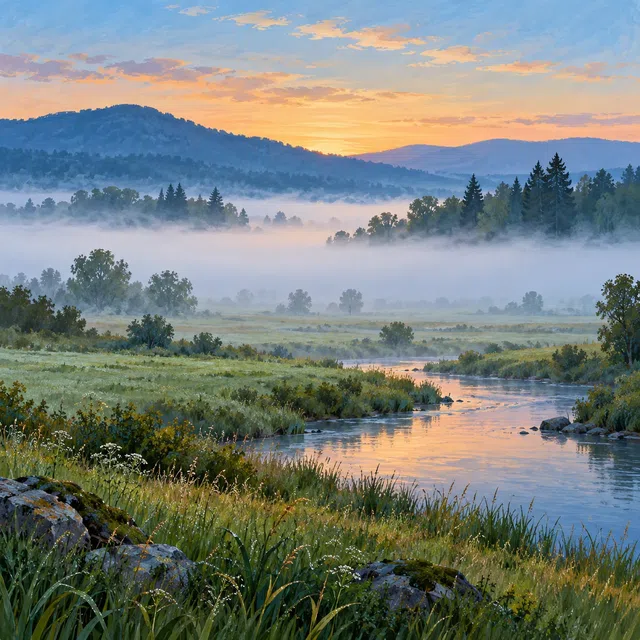
Ordinary liquid-water fog and a liquid-water cloud both contain tiny liquid droplets suspended in the air. The key difference here is location: fog touches the ground and can greatly reduce visibility there. A cloud seen above a mountain from a valley may simultaneously be experienced as fog on the mountainside. One common type of fog forms at night when the ground cools by radiating heat. Moist air near the ground also cools until enough droplets form. Clear nights, light winds, and sheltered valleys favor this radiation fog. Fog does not always form this way. Moist air can also move over a cold surface and cool down. Ice fog can occur in extreme cold. The question therefore specifically concerns ordinary liquid-water fog and does not apply to every fog type.