History - Middle Ages - Hanseatic League

What information could cloth seals certify in the Hanseatic League’s medieval trade?

Correct!
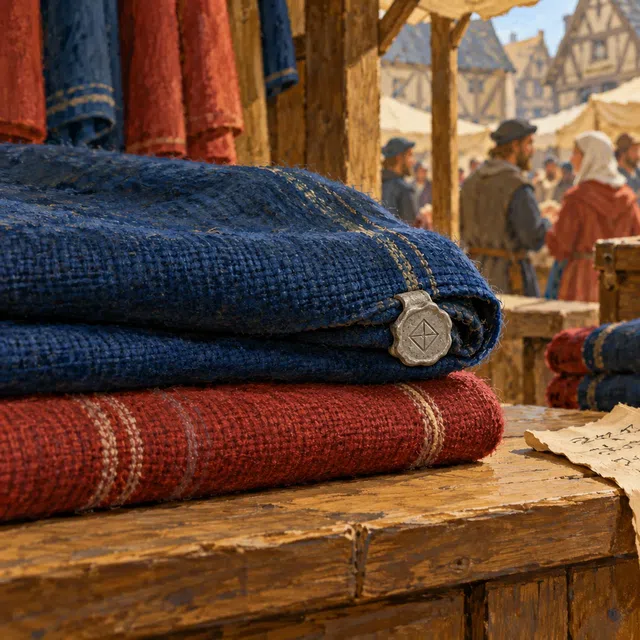
Cloth seals could identify a fabric’s origin and quality. The small seals were usually made of lead and attached to the cloth. Their markings provided information about the manufacturers or inspection bodies involved and about certain characteristics of the goods. Such markings were useful in long-distance trade. Buyers often could not visit the workshop that had produced a fabric themselves. A recognizable mark therefore helped them assess the goods. Hanseatic trade involved many different types and grades of cloth. A common design consisted of two connected disks that were closed around the edge of the cloth and pressed together. Such a seal could not easily be reopened without damage. The specific markings and what they conveyed varied according to place, period, and inspection procedure.