Countries and cultures - Cultures and customs - Japanese theater - Puppet theater - Performing arts - Japan

What is traditional Japanese puppet theater called?

Correct!
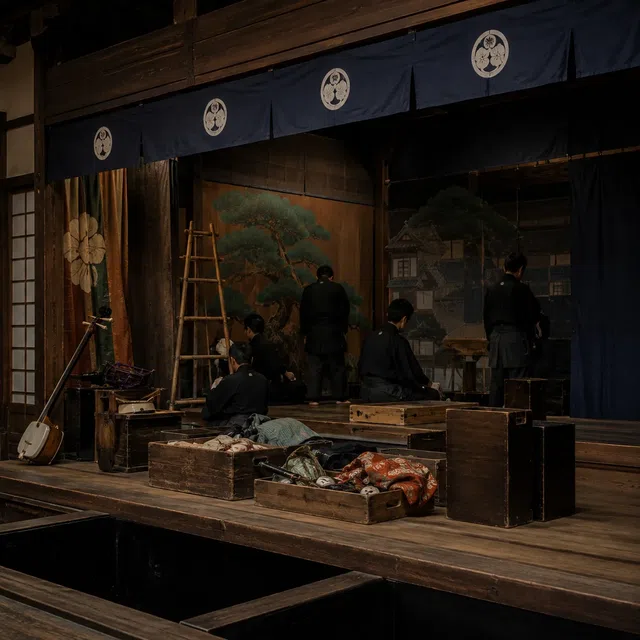
Bunraku is a traditional Japanese form of puppet theater. It typically brings together three elements: a narrator, a shamisen musician and puppeteers who move the figures. In classical performances, as many as three puppeteers can operate a single puppet together. The puppets are unusually large and highly detailed. Through precise movement, facial expression, gestures and posture can seem remarkably lifelike. The Japan National Tourism Organization counts bunraku alongside kabuki and noh among Japan's key traditional theater forms. The art form developed especially in Osaka in the late 17th century. Today, Ningyo Johruri Bunraku is part of UNESCO's intangible cultural heritage.
Bunraku is traditional Japanese puppet theater, combining narration, shamisen music and puppet manipulation.