Travel and landmarks - Landmarks and buildings - Cultural landscapes - Madriu-Perafita-Claror - Andorra

What traditional land use particularly shaped Andorra’s UNESCO-listed Madriu-Perafita-Claror cultural landscape?

Correct!
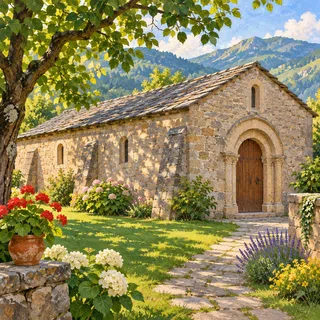
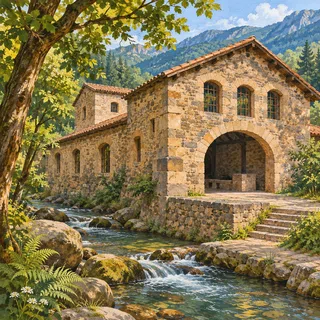
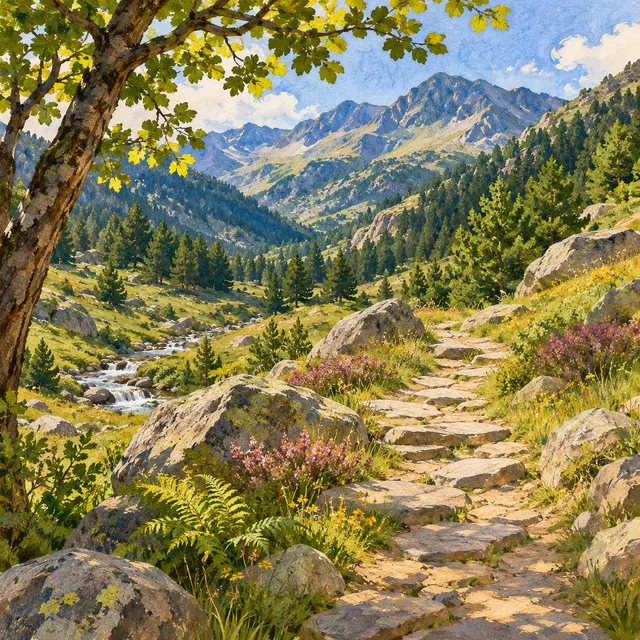
Livestock grazing and seasonal mountain settlements are among the defining features of the Madriu-Perafita-Claror Valley. UNESCO recognizes it as a cultural landscape where people made use of scarce high mountain resources over a long period. Huts, pastures, paths, and other traces show how closely the landscape and the local way of life were connected. Terraced fields and evidence of ironworking are also part of what survives. The World Heritage Site draws its value from the interaction between the natural environment and human activity, with a particularly important tradition of communal land use. It encompasses more than a single monument or a tract of untouched nature. Its inscription as a cultural landscape in 2004 shows that everyday ways of making a living can leave a significant cultural legacy.