Astronomy and spaceflight - Stars and galaxies - Star formation - Interstellar dust

Which radiation range is especially useful for observing thermal emission from warm dust in star-forming regions?

Correct!
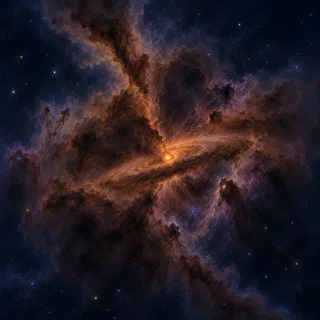
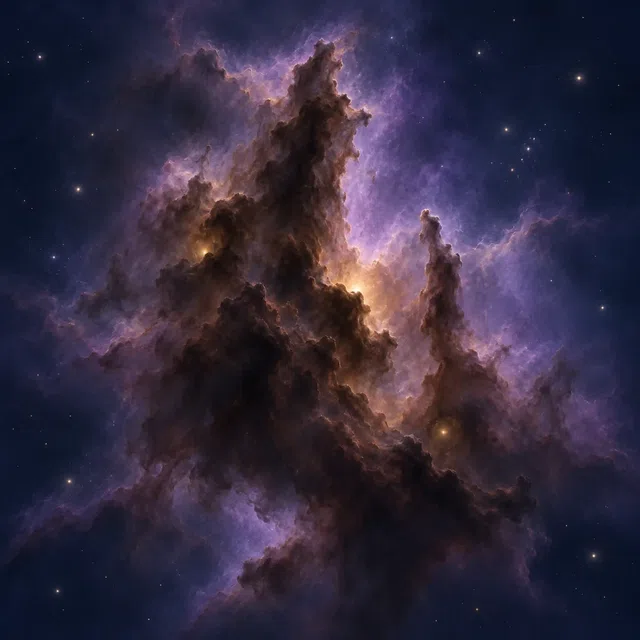
Interstellar dust absorbs visible and ultraviolet light and re-emits the absorbed energy as infrared radiation. Infrared instruments can therefore study warm dust and hidden regions of star formation.
Infrared radiation is invisible to our eyes. The colors in the right half are an artistic visualization, not literally red-hot dust.
Source: NASA Science: Infrared Astronomy