Nature and environment - Climate and weather - Weather - Earth’s atmosphere

Why does a mountain range's leeward side often receive less precipitation in a typical rain shadow?

Correct!
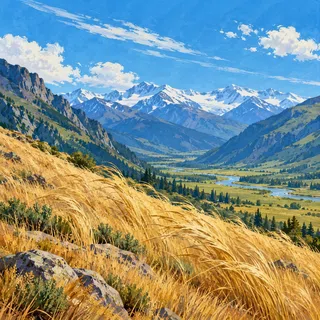
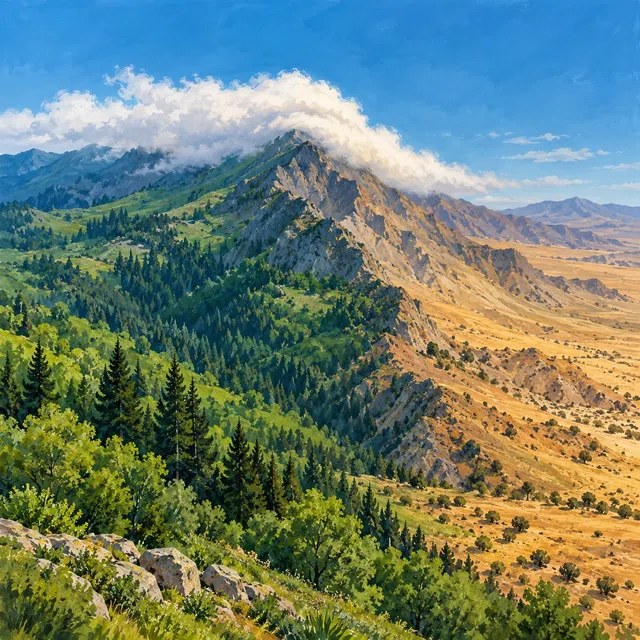
In a typical rain shadow, moist air is forced to rise on a mountain range's windward side. It cools, clouds can form, and precipitation can remove some of its water. Beyond the crest, drier air then often reaches the leeward side. As the air descends, the surrounding pressure rises. The air is compressed and warms; its relative humidity normally falls. Cloud droplets can evaporate. This favors drier conditions on the side facing away from the wind. A rain shadow does not guarantee permanent dryness. Wind direction, atmospheric layering, and other weather systems can change the situation. However, the basic pattern explains why nearby regions on opposite sides of a mountain range can receive very different amounts of precipitation.