Travel and landmarks - Landmarks and buildings - Portugal - Religious architecture - Évora

What is most of the striking wall decoration in the Capela dos Ossos in Évora, Portugal, made of?

Correct!
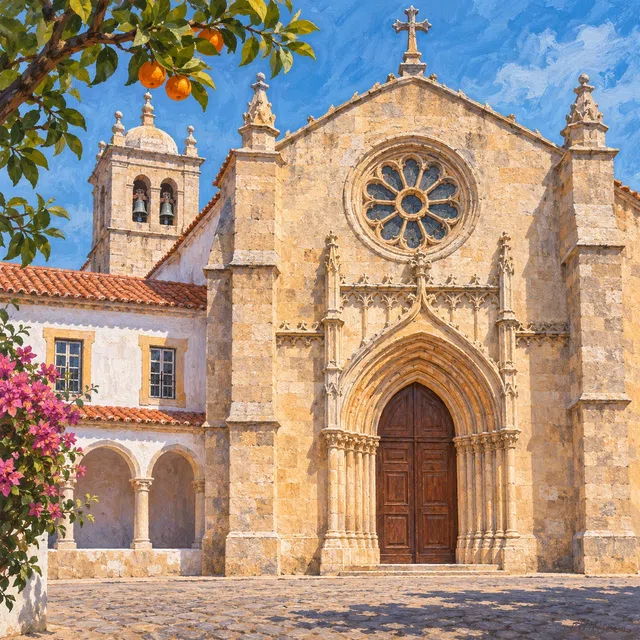
The wall decoration consists mainly of real human bones and skulls. They were incorporated into the chapel's walls and pillars. The unusual surface is therefore more than a painted pattern, and it is not an entire collection of plaster or ceramic replicas. The chapel belongs to the Church of São Francisco in Évora. Its design is associated with remembrance of the transience of human life. Human remains were placed here in a religious and historical context; they should not be understood as evidence of an act of violence committed at this site. An art historical perspective distinguishes the actual material from its arrangement and symbolic meaning. The question concerns the well-known chapel in Évora, rather than all similarly named ossuaries.