Animals - Animal types and traits - Hyacinth macaws - Parrots - Bird beaks

What is the purpose of the Hyacinth Macaw's particularly strong beak?

Correct!
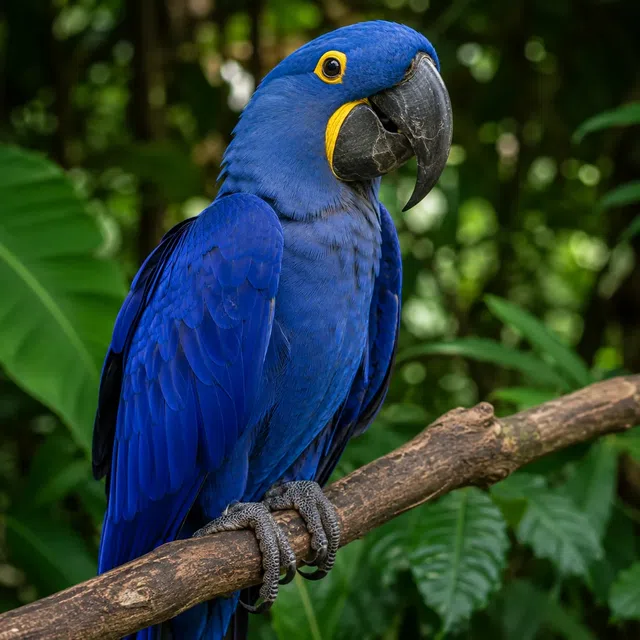
The hyacinth macaw (Anodorhynchus hyacinthinus) has an exceptionally large and powerful beak. It is excellently adapted to cracking hard nutshells and getting to the energy-rich seeds inside. In the wild, the nuts of various palm trees in particular form an important part of its diet. In the Brazilian Pantanal, hyacinth macaws feed on, among other things, Acuri and Bocaiúva palm nuts. Some of these nuts have extremely hard shells. The powerful beak allows the birds to take advantage of food sources that are difficult for many other animals to access. A statement from the London Zoo also shows how powerful the beak is: Hyacinth macaws can even severely damage extremely resistant material with their beak. Their natural diet there also consists primarily of palm nuts, seeds and fruits. With a body length of around 90 to 100 centimeters, the Hyacinth Macaw is also one of the largest parrots in the world. Its bright blue plumage, black beak and yellow unfeathered areas of skin around the eyes and beak make it unmistakable.
The Hyacinth Macaw's powerful beak is a specialized tool for hard foods such as palm fruits, nuts and seeds.
Source: London Zoo – Hyacinth macaw