Fashion and Style - Accessories and Fashion History - Clothing - Dress codes

What social purpose did many European clothing regulations of the late Middle Ages serve?

Correct!
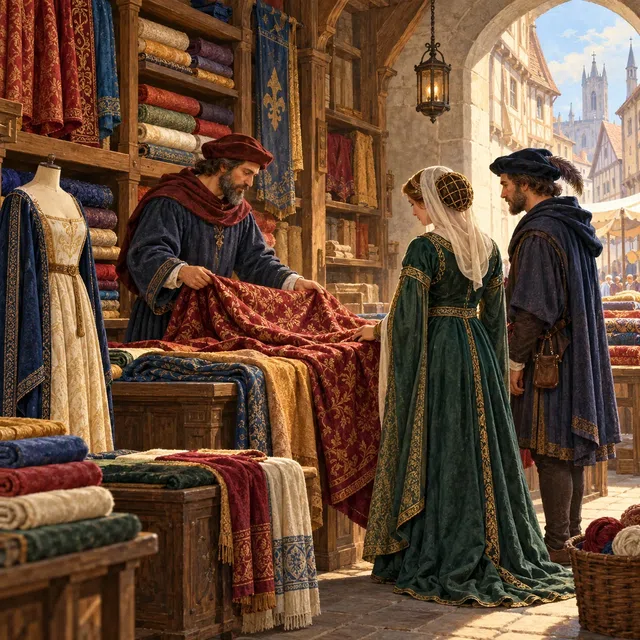
Many clothing regulations aimed to preserve differences in social rank in outward appearance. For example, they specified which groups could wear certain fabrics, trimmings, jewelry, or elaborate clothing. Dress was supposed to show the social position that the authorities considered appropriate. The boundaries were not the same everywhere. Depending on place and period, estate, income, occupation, or other affiliations could play a role. In some contexts, distinguishing between different population groups was also a central concern. There was no single European clothing code. Such rules show how strongly clothing was understood as a public sign. A wish to limit luxury and spending could be an additional factor. However, issuing a rule does not mean that it was obeyed everywhere or enforced equally.