History - Middle Ages - Hanseatic League - Seafaring and Maritime History

Which risk did a Hanseatic merchant reduce by spreading his goods across several ships?

Correct!
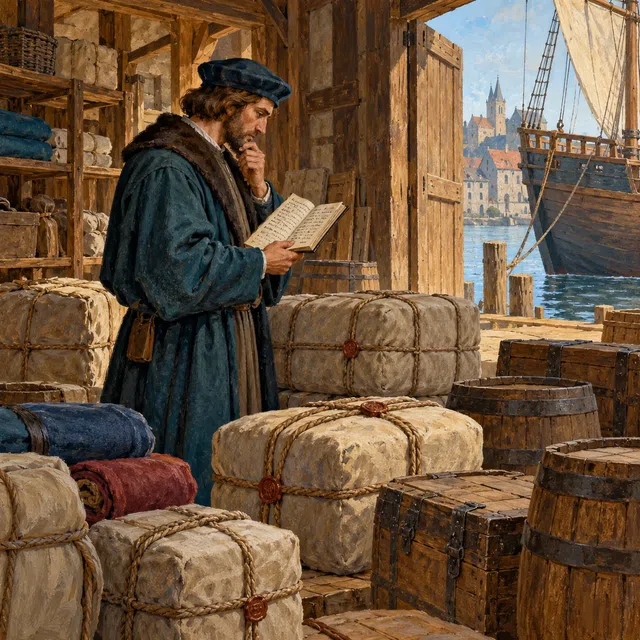
When a merchant divided his goods among several ships, his entire cargo was no longer aboard a single vessel. If one ship was lost, the other parts of his shipment were not necessarily lost as well. This distribution reduced dependence on a single voyage. The European Hansemuseum describes this practice against the background of real maritime risks. Shipping disasters, raids, and military conflicts could destroy valuable goods or deprive the merchant of them. Dividing the cargo was one way to spread such risks. It was not, however, a guarantee against losses. Several ships could be affected by the same storm, and distributing the cargo could not prevent a fall in prices at the destination market. Spreading risk means limiting the consequences of individual events, rather than eliminating every business risk.