Nature and environment - Conservation - Light pollution - Species conservation

Why can artificial light at night be problematic for wildlife?

Correct!
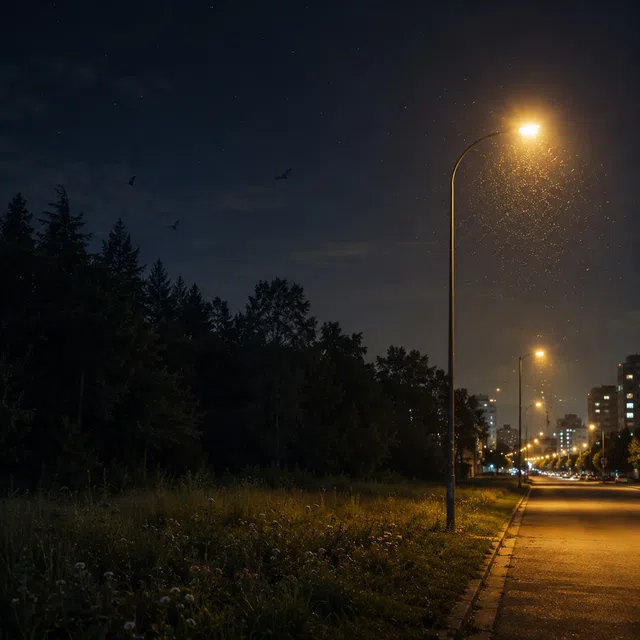
Too much artificial light at night is called light pollution. Streetlights, illuminated buildings, advertising signs, and other light sources can displace natural darkness over large areas. Nocturnal animals are especially sensitive to this. Insects are attracted to lamps and may circle light sources until exhausted. Migratory birds can lose orientation around brightly lit cities, while bats and other animals may avoid illuminated areas. Natural day-night rhythms can also be affected. That is why some cities and protected areas now use less, more targeted, and warmer light.
Artificial light can disturb the orientation, activity times, and migration behavior of many wild animals.
Source: IUCN – Light pollution