Nature and environment - Conservation - Keystone species - Biodiversity

In ecology, what is meant by a keystone species?

Correct!
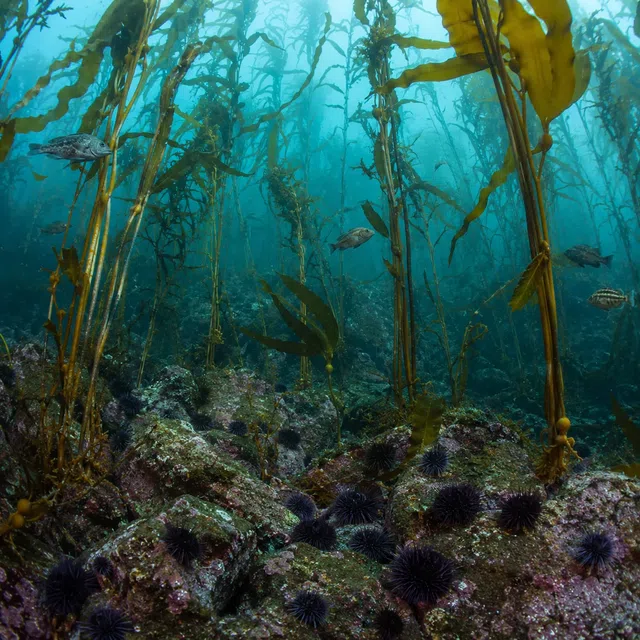
A keystone species has a much greater importance for an ecosystem than its abundance alone would suggest. If it disappears, the whole ecological balance can change strongly. A well-known example is the sea otter. It eats sea urchins and prevents them from grazing down large amounts of kelp. Where sea otters are absent, sea urchins can multiply and destroy entire kelp forests. Beavers can also act as keystone species because their dams change waterways and create new habitats for many other species.
Keystone species have an especially large influence on ecosystems, even when they are not the most common species.