Dinosaurs & Prehistory - Dinosaurs - Acrocanthosaurus - Theropods - Dinosaur anatomy - Cretaceous
What caused the strikingly high back of the Acrocanthosaurus?

Correct!
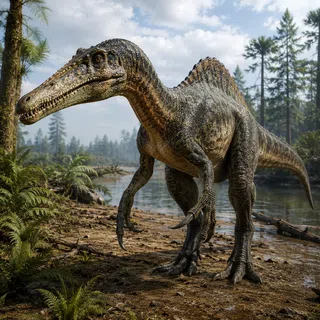
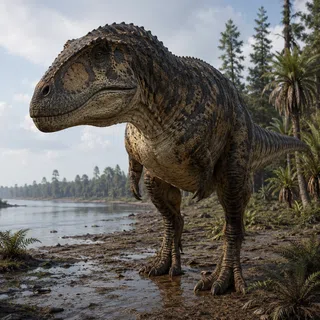
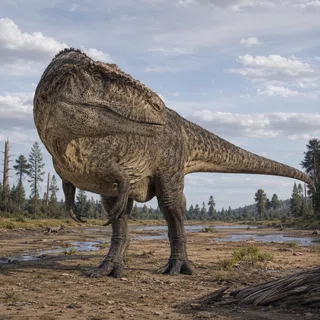
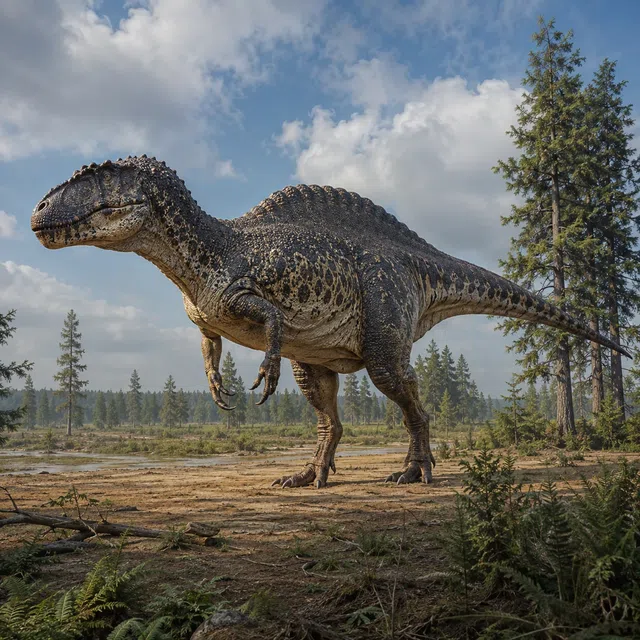
Acrocanthosaurus atokensis was a massive predatory dinosaur of the Early Cretaceous of North America. Its most striking feature was unusually long neural processes on the vertebrae, which extended over the back, hip region and part of the tail. This is exactly where its name comes from: Acrocanthosaurus means “high-spined lizard” or “high-spined lizard”. Some of these bony projections could be around 60 centimeters long. However, what they externally formed during their lifetime has not been finally clarified. Reconstructions range from a lower dorsal or skin ridge to a structure more filled with muscle or other tissue. That's why you shouldn't simply reconstruct Acrocanthosaurus with a tall, thin sail like in some Spinosaurus depictions. Acrocanthosaurus grew to about 12 meters long and lived in North America about 115 to 105 million years ago. It was one of the large theropods and is now considered to be part of the Carcharodontosauridae.
The high back of Acrocanthosaurus was based on greatly elongated spinous processes of the vertebrae; It is not certain what the external soft tissue shape looked like.