Nature and environment - Geology and natural phenomena - Volcanoes - Rocks

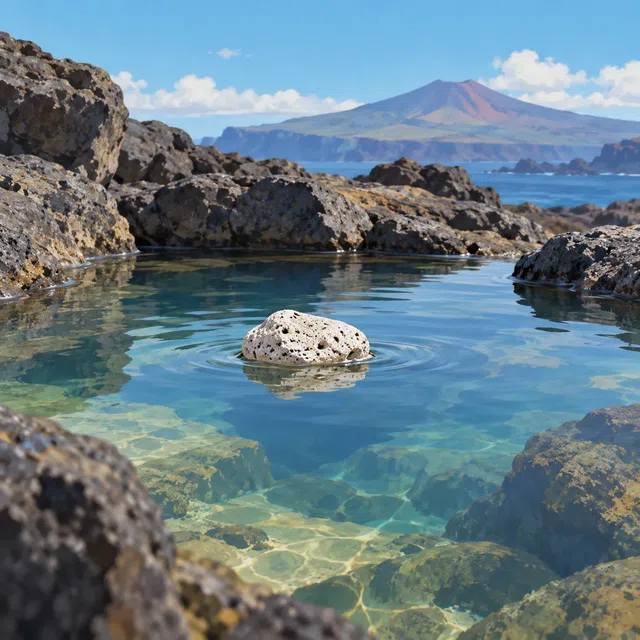
Why can some pumice stones from a volcanic eruption float on water?

Correct!
Pumice forms from molten rock filled with gas bubbles. A porous framework remains when it solidifies. If a piece contains enough gas-filled space, its average density is lower than that of water: it can float. The bubbles form when gases previously dissolved in magma separate out and expand as pressure decreases. The finished rock therefore resembles solidified foam in structure. The solid walls of its pores nevertheless consist of volcanic material. Not every pumice stone floats equally well or forever. Its behavior depends on how many pores it has, how they are connected, and how much water enters. The explanation is therefore the low average density of a suitable piece, rather than a blanket rule that every porous stone must float.