History - Early modern period - Seafaring and Maritime History - Naval warfare

What did a letter of marque authorize a private ship to do in naval warfare?

Correct!
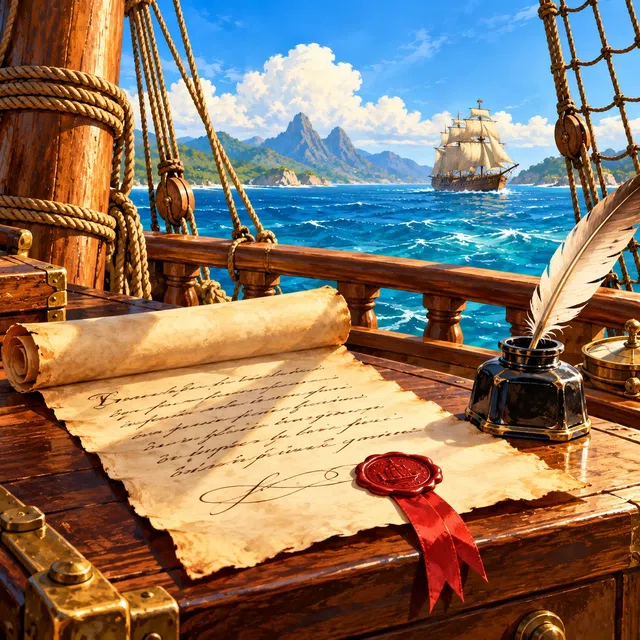
A letter of marque was government authorization to conduct private warfare at sea. In wartime, commissioned private ships could capture enemy merchant vessels, meaning stop them and take control of them. These privateers acted with state authorization. This legally distinguished them from pirates, who attacked ships without such permission. The commission was not a license for indiscriminate attacks. It applied within the particular war and its specified conditions. Captured ships and cargo were known as prizes. A prize court could decide whether their capture was lawful. After approval and sale, the proceeds were divided in agreed shares among those involved, such as financial backers, shipowners, the captain, and the crew. For governments, privateering offered a way to deploy private ships and crews against an enemy’s maritime trade. The prospect of plunder made such voyages attractive to participants. State authorization therefore explains why armed private ships mentioned in historical accounts do not automatically count as pirate ships.