Cars and mobility - Vehicles and brands - Steam locomotives - Railroad technology

What supplies did a separate tender behind a conventional steam locomotive mainly carry?

Correct!
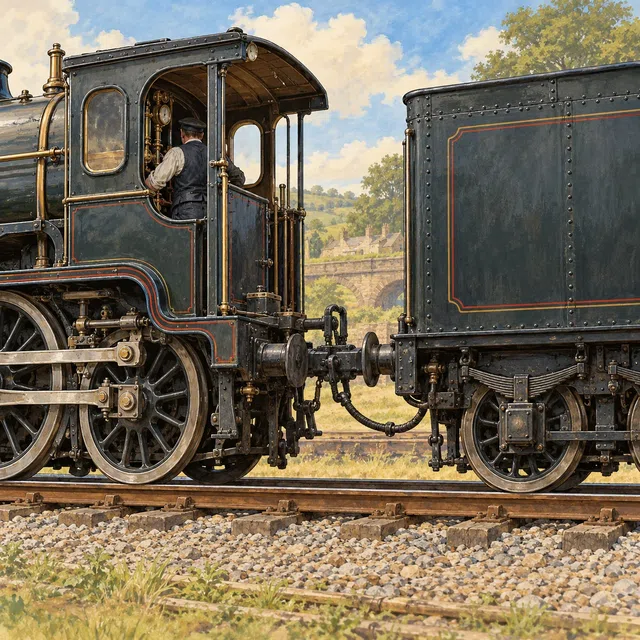
A separate tender mainly carried water and fuel for the steam locomotive. Depending on the firing system, the fuel could be coal, wood, or oil, for example. Water was fed into the boiler, while the fuel supplied the necessary heat. These supplies took up considerable weight and space. A separate vehicle running behind the locomotive increased the amount that could be carried, allowing longer journeys between servicing points. Even so, steam locomotives still needed regular replenishment along the way. Not every steam locomotive had a separate tender. Tank locomotives carry their water and fuel on the locomotive itself. The distinction therefore concerns how supplies are stored, rather than the basic principle of steam propulsion. A tender is not a separate steam generator either.