Dinosaurs & Prehistory - Dinosaurs - Maiasaura - Hadrosaurs - Animal reproduction - Cretaceous
Which fossil finds gave Maiasaura the name “good mother lizard”?

Correct!
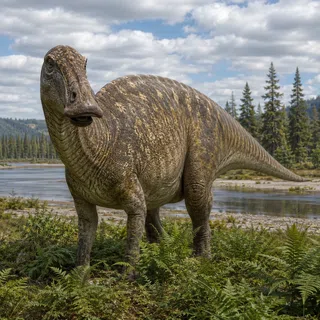
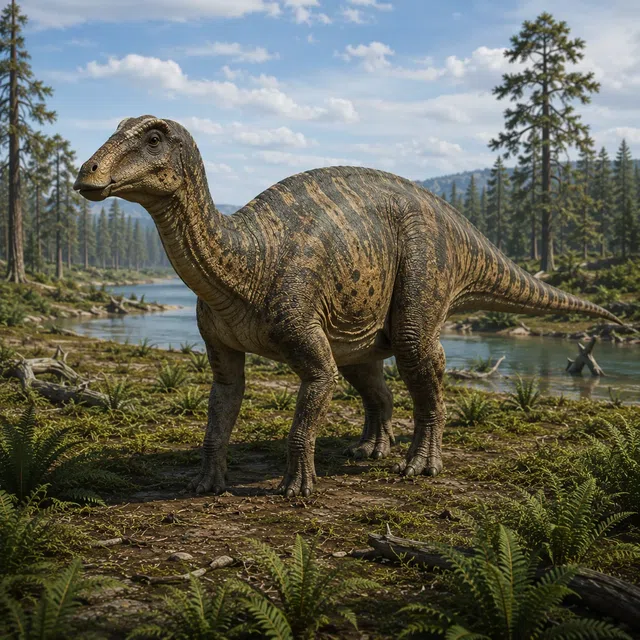
Maiasaura peeblesorum was a herbivorous hadrosaur from the Late Cretaceous of North America. Maiasaura became particularly famous thanks to extraordinary sites in Montana with nests, eggs and remains of very young dinosaurs. These discoveries were among the first strong indications that at least some dinosaurs cared for their nests. Therefore, the genus received the name Maiasaura, which is usually translated as “good mother lizard”. The Natural History Museum explicitly states that the naming was based on early evidence of parental care. What is particularly exciting is that the young animals apparently remained in or near the nest for a certain amount of time. Recent research from 2025 clearly confirms evidence of pre-hatching brood care; How extensive the care of the young animals actually was after hatching is being further investigated. A study of tooth wear in young and adult hadrosaurs published in 2026 also provides new support for the hypothesis that adult Maiasaura may have provided food for their offspring.
Maiasaura became known as the “good mother lizard” because of sites with nests, eggs and young animals; they provided early evidence of brood care in dinosaurs.