Countries and cultures - Holidays and traditions - Traditions - Seasonal customs - Japan

What does the Japanese tradition “Tsukimi” mean?

Correct!
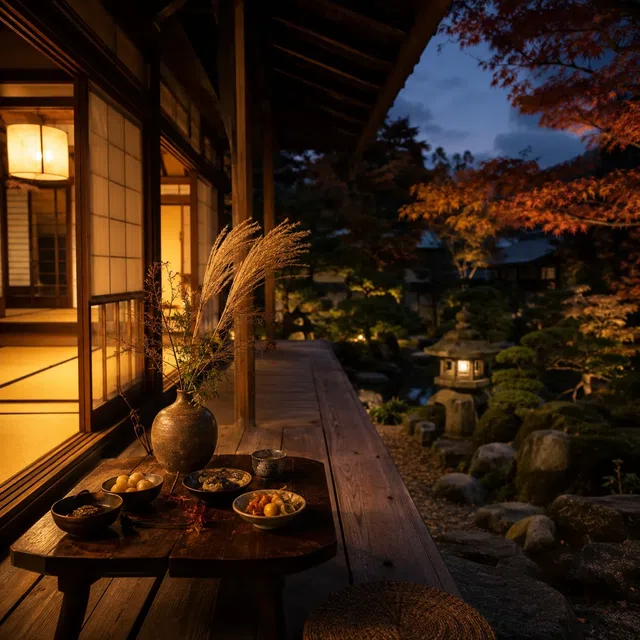
Tsukimi (月見) literally means “moon viewing” and refers to traditional Japanese autumn customs in which the bright autumn full moon is especially admired. The tradition is also known as Otsukimi. Its origins go far back. According to the Government of Japan, moon viewing had already developed during the Heian period (794-1185) among members of the nobility, who held gatherings while admiring the moon. Tsukimi dango, round rice dumplings whose shape recalls the full moon, are also typical of Tsukimi. Pampas grass, chestnuts and other autumn foods are traditionally presented as well. Tsukimi therefore complements two other well-known Japanese nature traditions: Hanami is for viewing blossoms in spring, Momijigari for autumn leaves and Tsukimi for the moon.
Tsukimi literally means “moon viewing” and refers to Japanese autumn customs centered on the full moon.