Dinosaurs & Prehistory - Dinosaurs - Oviraptor - Cretaceous
Why is the name “Oviraptor” – “egg thief” – considered misleading today?

Correct!
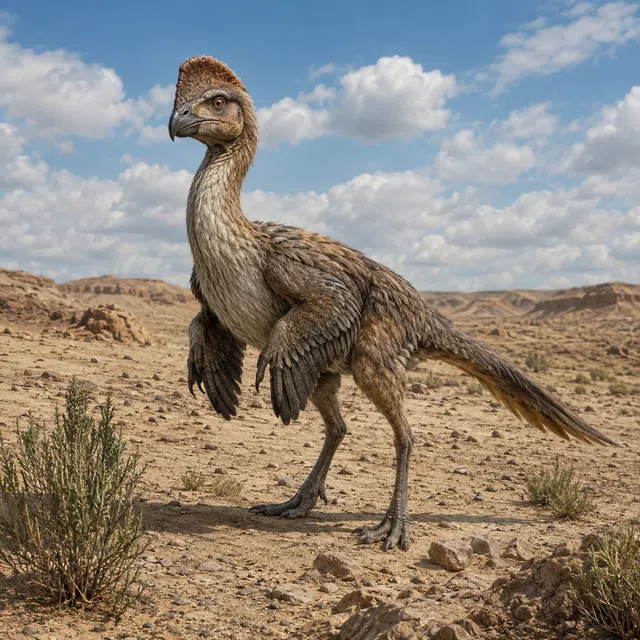
When Oviraptor was discovered in Mongolia in the 1920s, its fossil was located next to a nest of dinosaur eggs. At the time, the researchers thought these were Protoceratops eggs and therefore interpreted Oviraptor as a predator that wanted to plunder the nest. This gave rise to the name Oviraptor, meaning “egg thief”. Later discoveries fundamentally changed this picture. Embryos of oviraptorids were found in eggs of the same type. In addition, paleontologists discovered adult oviraptorids directly on their nests - with their arms spread over the eggs, similar to breeding birds. One particularly famous find shows an oviraptorid above a nest with more than 20 eggs. Such fossils provide strong evidence that oviraptorids incubated and guarded their eggs rather than simply raiding other people's nests. The name Oviraptor stuck regardless - scientific names aren't usually changed just because the original interpretation of a fossil later turns out to be probably wrong.
The name “egg thief” arose from an early misinterpretation. Fossils and embryo finds suggest that oviraptorids incubated and guarded their own nests.