Dinosaurs & Prehistory - Other prehistoric animals - Pelagornis - Birds - Extinct animals - Paleontology
What were the prominent “teeth” in Pelagornis’ beak actually?

Correct!
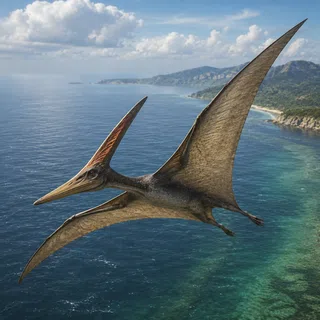
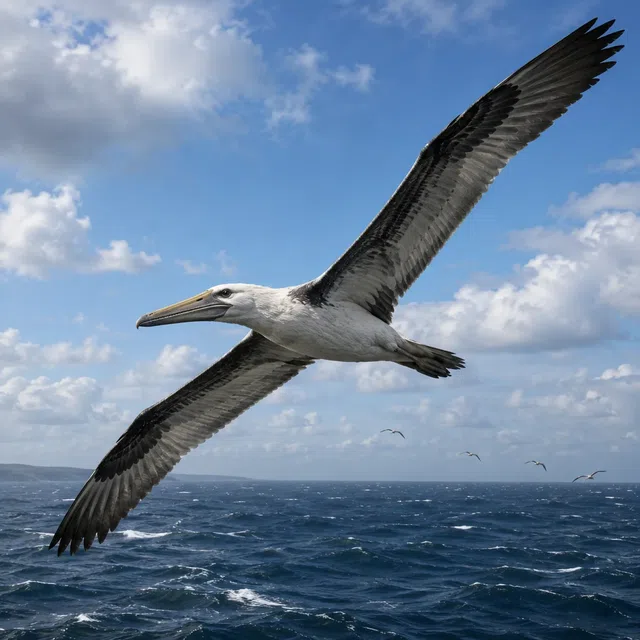
Pelagornis belonged to the so-called pelagornithids or “pseudo-toothed birds”. There were numerous pointed structures along the upper and lower jaws, which at first glance look like real teeth. However, microscopic examination shows that they were direct bony outgrowths of the jaw. They lacked typical dental tissues such as enamel and dentin. During life, these bony processes were probably covered by the stratum corneum of the beak. They are therefore referred to as pseudoteeth. An examination of the internal structure confirmed that there was nothing comparable to real teeth in these structures. The structures may have helped Pelagornis to hold onto slippery prey such as fish and squid. The combination of a long beak and numerous pseudoteeth was unusual in the bird world. Pelagornis sandersi was particularly impressive. A wingspan of approximately 6.1 to 7.3 meters has been reconstructed for this species. This makes it one of the birds with the largest known wingspan.
The “teeth” of Pelagornis were not real teeth, but bony extensions of the jaw, probably covered by a stratum corneum.